
 By GARRETT VALCOURT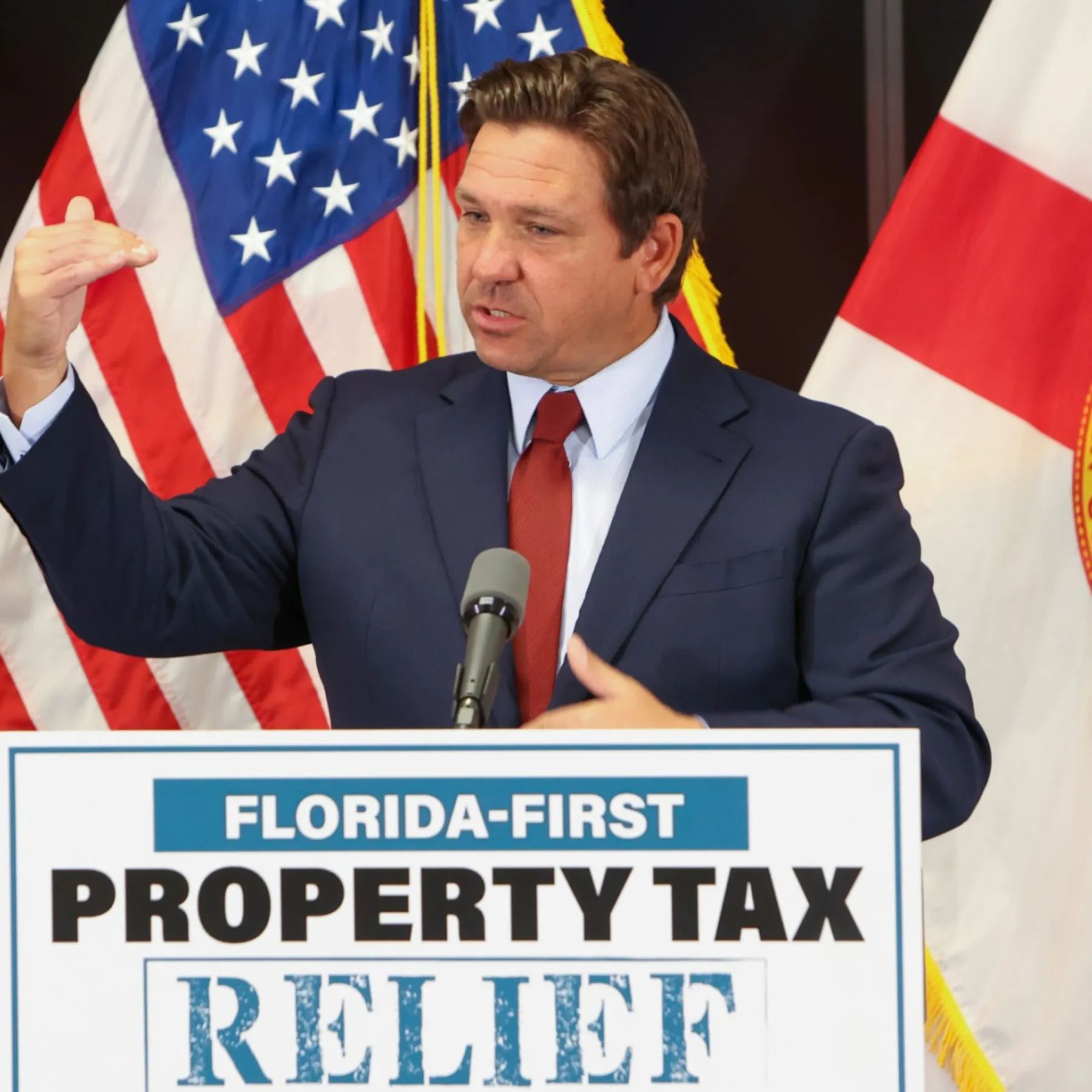
As Gov. Ron DeSantis continues his push to reduce property taxes statewide, the Florida House Select Committee on Property Taxes is scheduled to meet on September 22-23 to resume deliberations on the issue.
According to a notice posted on the House website, the committee is set to convene on the afternoon of September 22 and again the morning of September 23. The panel created this spring by House Speaker Daniel Perez, R-Miami, first met twice in May to begin reviewing property tax policy and its role in local government budgets.
DeSantis has urged lawmakers to place a constitutional amendment on the November 2026 ballot aimed at cutting property taxes, with the expectation that the proposal will be considered during the 2026 legislative session. State Chief Financial Officer Blaise Ingoglia has also joined the effort, launching audits of local governments to examine how tax dollars are being spent.
Local governments across Florida rely heavily on property tax revenue, and Holmes and Washington Counties are no exception.
- Holmes County: Property taxes help fund the Sheriff’s Office, emergency medical services, road and bridge maintenance, and courthouse operations. They also serve as required matching funds for state and federal grants, making them a critical piece of securing outside resources.
- Washington County: Collections are used to operate the county jail, court system, and law enforcement. They also support road and stormwater projects and contribute to required school funding through local millage rates.
If property taxes were significantly reduced or eliminated, both counties would face immediate shortfalls in their general funds. Holmes County could see reduced staffing for public safety, slower road maintenance, and fewer opportunities to leverage grant funding. Washington County, which carries heavier costs for jail operations and judicial services, could struggle to maintain infrastructure projects and long-term capital improvements.
Counties would likely be forced to seek alternative revenue sources such as local-option sales taxes, special assessments, or additional state appropriations. Each option could shift the financial burden in different ways, either onto consumers, property owners through fees, or the state budget.
The September 22-23 meetings are expected to set the stage for broader debate ahead of the 2026 legislative session. While property owners may see potential relief, the elimination of property taxes raises questions about how rural counties will maintain essential services without one of their primary funding mechanisms.
For Holmes and Washington Counties, the challenge will be balancing the desire for tax relief with the need to sustain public safety, infrastructure, and education funding in a changing fiscal landscape.
 Ali Moreland
  SKYLA CARTER