
 By Special to the News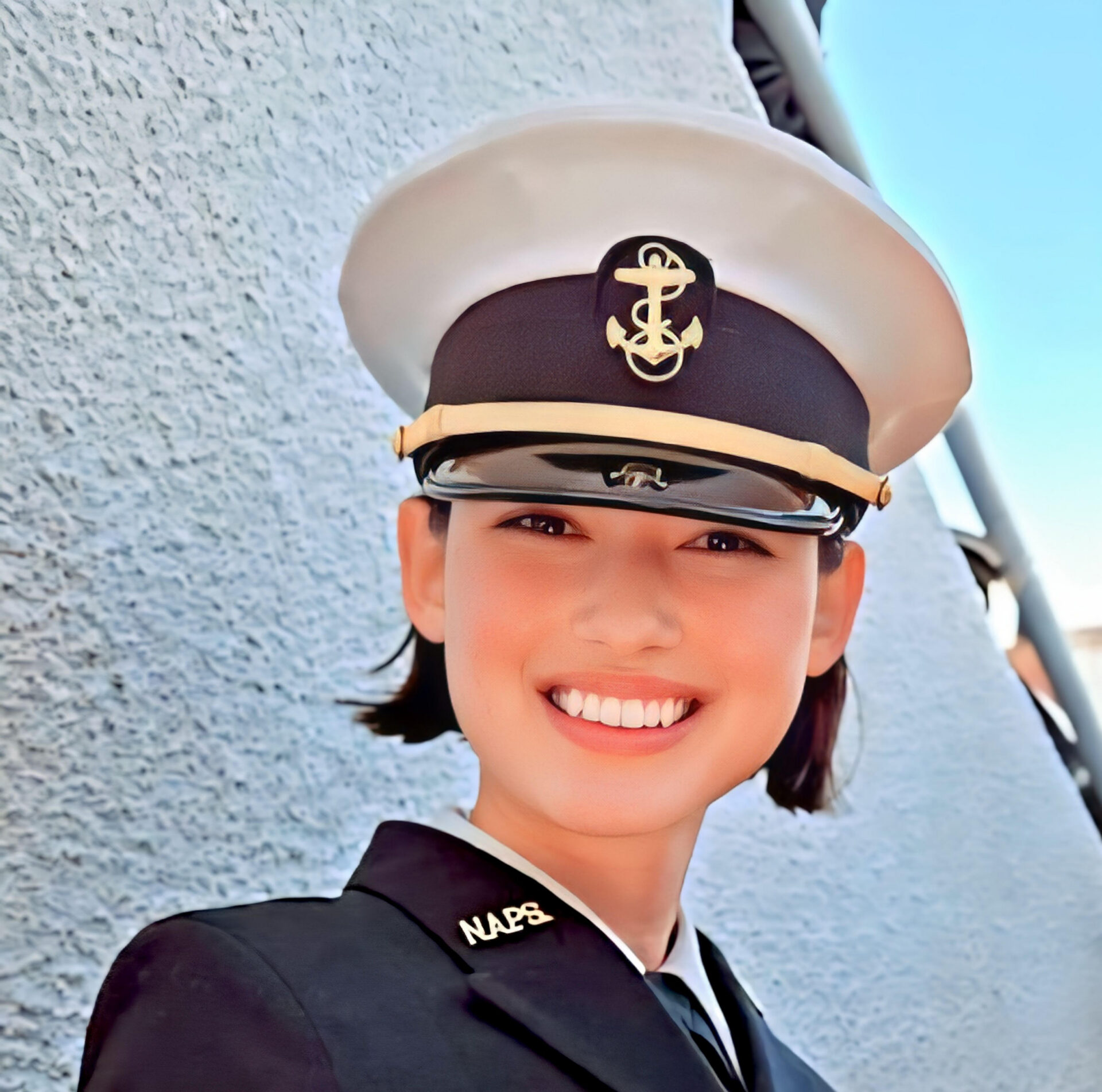
In the first two parts of this series, I wrote about the Iran war, the agreement that followed, and how those costs come home to Washington County through fuel, fertilizer, farming, groceries, and strained household budgets. But the deepest cost of this war may be trust.
I am a father, so I do not see these things as policy arguments floating above real life. My youngest daughter, Amari, is almost six. School lunches, classrooms, teachers, and safe communities are the country she is growing into. My older daughter, Destiny, is back home now studying toward becoming a doctor of nursing after what our family believes, and what the evidence more than suggests, was an unjust anti-DEI experience at the United States Naval Academy Preparatory School — one shaped by gender-based discrimination, gender erasure, and a MAGA-ordered climate of institutional sexism. No credit for her new path belongs to anyone in Washington. She is doing it because her honor is not a coat of convenience, and the same grit that sent her to the U.S. Naval Academy Preparatory School will not allow her to quit or let that institution write the ending of her story.
That is why I, a U.S. Army veteran, take war, service, and government promises seriously. I have seen how easily powerful systems can chew up young people and move on.
Many readers in Washington County know that I have strongly supported Vernon High School’s JROTC program in the past. I still respect the students and instructors. I still believe JROTC can build confidence, leadership, discipline, and responsibility. But JROTC is also tied to a larger military system and can guide young people toward service. After what happened to Destiny, and after watching this administration launch a war in apparent violation of international law, without proper preparation, without clear constitutional authority, and without the confidence of our traditional allies, I have continued to pull back. Not from the students, but from the cause they may be asked to serve.
That is what trust looks like when it breaks.
And that is what our allies did too. They did not abandon America out of nowhere. They looked at the leadership, recklessness, insults, threats, and lack of preparation, and they decided they could not give blind support to a war they did not trust. America may provide the largest share of NATO’s military muscle, but muscle is not the same thing as reach. Without allied bases, ports, airspace, intelligence, logistics, and political trust, even the strongest military in the world can find itself overextended.
While Washington finds billions for war, ordinary Americans are told to do more with less. Social Security’s 2026 cost-of-living adjustment is 2.8 percent while reported inflation is higher. Federal changes to SNAP and Medicaid are expected to shift costs onto states and may affect school meal access. There are also reports that the Labor Department has warned states they could lose federal administrative unemployment insurance funding if Washington decides they are not doing enough on fraud enforcement.
Let us be fair: I have not seen proof that regular unemployment checks have already been stopped. But threatening the systems that process unemployment claims is serious when the same federal government can always find money for war, but suddenly becomes a strict accountant when workers, seniors, children, farmers, or schools need help.
There is another question that deserves sunlight. ABC News reported that the Justice Department and Commodity Futures Trading Commission are investigating more than $2.6 billion in suspiciously timed oil trades tied to major Iran-war announcements. That does not prove who knew what or who made the trades, but investigators need to follow the money wherever it leads.
If anyone used private war information to make market bets while our military was putting their lives on the line in combat and ordinary Americans were paying more at the pump, that is not draining the swamp. That is the swamp putting on a flag pin and picking our pockets. The thought of that occurring should make every American furious. I know it makes me see red.
As we close out the Fourth of July, real patriotism is not clapping every time a president starts a war or pretending a weak agreement is strong because our side signed it. Real patriotism asks hard questions. Why did we go in? What did we achieve? What did it cost? Who profited? Who paid? Why did Congress not authorize this war? And why are working Americans always first in line to sacrifice and last in line to get help?
If this agreement truly brings peace, I am thankful for the peace. But gratitude is not blindness. Ending a war does not erase the cost of starting one, and it does not excuse our leaders from accounting for every dollar, every broken promise, and every family, farmer, worker, senior, veteran, and child left holding the bill.
And that my friends is how the cow eats the cabbage.
– Carl H. Gregory
Vernon