

 By Staff Report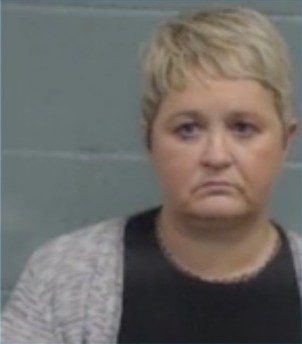
PUBLISHER’S NOTE: This story has been updated to reflect the latest press release from the State Attorney’s Office.
On Thursday, January 22, Tina Marie Wallace was found guilty of 10 counts related to accepting money for official behavior and unlawfully using a two-way communications device while working as a correctional officer at the Northwest Florida Reception Center, State Attorney Larry Basford announced.
Wallace, 50, was convicted of five counts of Unlawful Compensation for Official Behavior and five counts of Unlawful Use of a Two-Way Communications Device. The first five charges are second-degree felonies punishable by up to 15 years in prison, while the remaining five are third-degree felonies punishable by up to five years in prison.
The jury deliberated for approximately two hours after Washington County Chief Prosecutor Megan Ford presented the case. Chief Circuit Court Judge Christopher Patterson set sentencing for March 3.
An investigation by the Department of Corrections Office of Inspector General determined that in September and October 2022 alone, Wallace received more than $24,000 from inmates, inmates’ relatives, or inmates’ associates through her CashApp accounts.
“This case was about accountability,” Ford said. “The evidence showed a clear pattern of improper payments, and today’s verdict affirms that public trust cannot be bought.”
Ford called three witnesses to testify: Department of Corrections Office of Inspector General Investigator Steven Lee, a co-defendant and former correctional officer who worked with Wallace, and a family member of an inmate who believed she was sending money for food.
While examining CashApp records, Investigator Lee connected transactions to inmates, inmates’ family members, and inmates’ visitors by cross-referencing CashApp data with Department of Corrections records. Eighty-seven transactions occurred between September 1 and October 20, 2022, and well over half of the individuals who sent money to Wallace’s CashApp accounts had direct connections to the Department of Corrections.
Many of the transactions included notes indicating the money was intended for the benefit of specific inmates. The state also presented evidence that Wallace sent money to known inmates, regularly communicated with inmates by phone outside of work hours, and exercised control over housing assignments and disciplinary reports during a period when violence and contraband drops were at an all-time high at the facility.
During that time, Wallace transferred money from her CashApp accounts to her personal bank account 21 times. The total amount transferred over roughly six weeks exceeded half of her annual salary.
Basford thanked the Department of Corrections Office of Inspector General for its thorough investigation, which helped lead to guilty verdicts on all counts.
 Ali Moreland
  AMBER PATINO