
 By Staff Report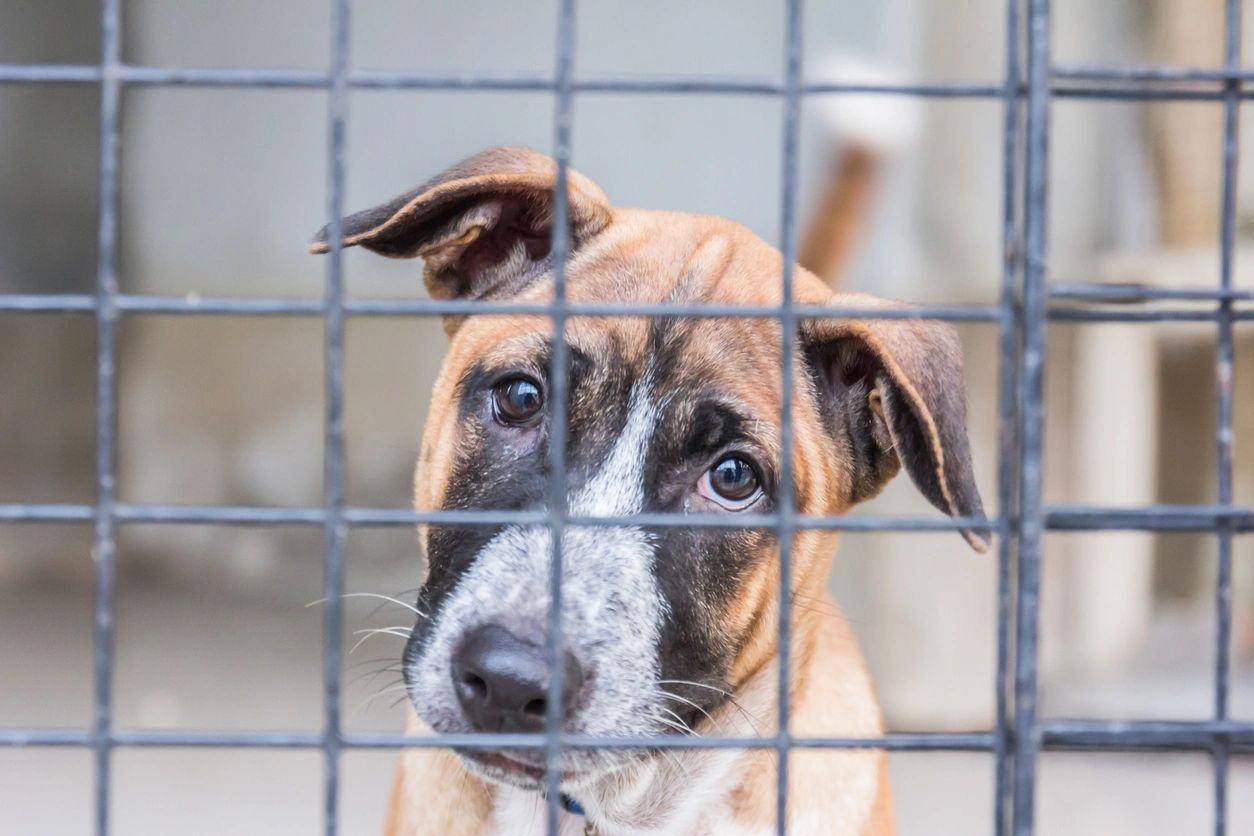
To help prevent the spread of the New World screwworm into Florida, state officials are blocking rescue dogs and cats from entering the state from Texas and New Mexico.
The Florida Department of Agriculture and Consumer Services issued an emergency rule Wednesday prohibiting the importation of shelter and rescue dogs and cats from states where screwworm cases have been confirmed.
“We will respond based on facts, not fear,” Agriculture Commissioner Wilton Simpson said in a statement. “But we will also continue to be the most aggressive state in the nation when it comes to protecting our livestock, pets, wildlife, people and agricultural economy from this threat.”
The New World screwworm is a parasitic fly that lays eggs in open wounds and body openings of warm-blooded animals. The larvae feed on living tissue, according to the U.S. Centers for Disease Control and Prevention. The pest was eradicated from the United States in 1966, except for a limited outbreak in the Florida Keys in 2017.
Simpson’s agency has strengthened safeguards aimed at preventing the screwworm from reaching Florida, implementing some of the nation’s strictest import requirements that go beyond federal recommendations.
The state enacted a temporary moratorium on importing warm-blooded animals from affected areas after screwworm was detected in Texas. That moratorium remains in place through Friday.
As of Wednesday, the U.S. Department of Agriculture reported seven screwworm cases in the United States, including six in Texas — five involving cattle and one involving a goat — and one involving a dog in Lea County, New Mexico.
The detection of screwworm in a dog contributed to Florida’s decision to halt imports of shelter and rescue animals from the affected states, said Dr. Mike Short, Florida’s state veterinarian and director of the Division of Animal Industry.
“We have a really large agriculture industry in Florida, and we also have a climate that’s very conducive to New World screwworm, so we want to do everything we can do to keep it out,” Short said.
Texas Agriculture Commissioner Sid Miller has criticized the federal government’s response, calling it “slow, bureaucratic and incomplete.”
In a statement, Miller described screwworm as “one of the most destructive livestock and wildlife pests in history.”
However, U.S. Agriculture Secretary Brooke Rollins downplayed the threat during a CNBC interview this week, referring to screwworm as “a little pest.”
Short said Florida’s experience during the 2017 outbreak demonstrated how serious infestations can become if not addressed quickly.
“It can be fairly dramatic if you don’t catch the infestations quickly. If you do, they are certainly treatable,” Short said. “But if the infestation goes on for days or a week or two, it can be pretty devastating.”
According to the USDA, screwworm does not impact food safety and cannot spread through meat, poultry or dairy products.
Still, the parasite poses a significant threat to livestock production at a time when U.S. cattle inventories are already at historic lows.
Florida had approximately 1.5 million head of cattle in 2022, according to the Census of Agriculture, and the state’s cattle and dairy industries generated more than $2 billion in sales that year.
“The Florida Department of Agriculture will be aggressive and make decisions that embrace common sense,” Simpson told the News Service of Florida in a statement. “Farmers are the best partners when it comes to protecting our food supply.”
Since 2022, the screwworm has spread northward from the Panama-Colombia border through Central America and Mexico. Last August, federal officials confirmed the first human screwworm case in decades involving a traveler-associated infection in Maryland.
Residents who suspect a screwworm case can contact FDACS at 850-410-0900 during business hours or 1-800-342-5869 after hours. Reports also can be made by emailing RAD@FDACS.gov or visiting FDACS.gov/NWS.
Suspected cases involving wildlife should be reported to the Florida Fish and Wildlife Conservation Commission at 1-888-404-3922 or by emailing WildlifeHealthTeam@MyFWC.com.
 Ali Moreland
  SKYLA CARTER