

 By Staff Report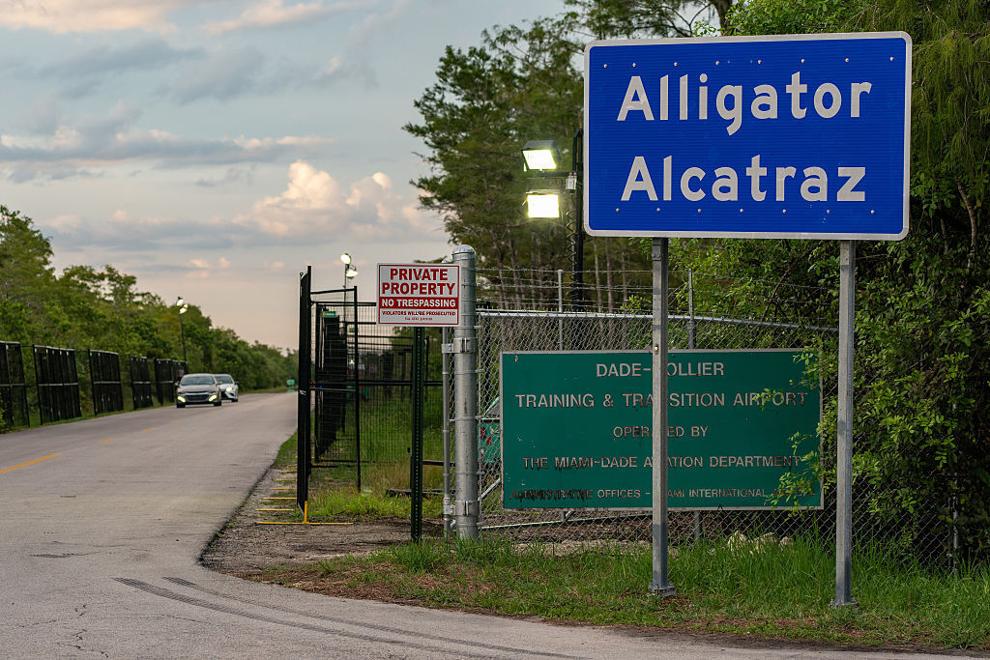
The Florida Division of Emergency Management spent another $45.3 million on immigration enforcement-related costs, bringing the total spent this year to nearly $460 million.
According to Transparency Florida, a government accountability website operated through the governor’s office, FDEM filed a budget amendment May 6 notifying lawmakers it would use $45.3 million from the Emergency Preparedness and Response Fund to pay invoices for the 2025-2026 fiscal year.
In total, the agency has spent $458.5 million in emergency funds on illegal immigration enforcement over the past year.
The division was barred from entering new contracts using the fund after Feb. 17, when lawmakers failed to renew authorization for the spending. However, the state can still use money to pay outstanding invoices tied to contracts approved before the expiration date.
Records did not provide details on the spending beyond identifying it as related to “illegal migration.”
FDEM officials did not respond to emails or a phone call seeking comment.
The emergency fund was created in 2022 to help respond to hurricanes and other natural disasters, allowing Gov. Ron DeSantis to quickly distribute money during states of emergency.
Since then, lawmakers have deposited $4.77 billion into the fund. As of several weeks ago, the balance stood at about $199 million.
DeSantis first declared a state of emergency over illegal immigration in January 2023 and has renewed it every 60 days since — more than 20 times.
Over the past year, hundreds of millions of dollars from the emergency fund have gone toward immigration enforcement.
Lawmakers later passed a bill (SB 7040) to revive the fund but added new restrictions on how the money can be used. Under the measure, emergencies unrelated to natural disasters would require approval from the chair and vice chair of the Legislative Budget Commission before money could be spent.
The bill also requires any federal reimbursements to be used first to pay outstanding vendor invoices. In addition, money from the fund could no longer be used to purchase aircraft, motor vehicles or boats, though such equipment could still be leased during emergencies.
The legislation passed the Legislature but has not yet been sent to DeSantis, leaving the fund’s future uncertain.
An FDEM report released in January showed Florida has spent $573 million on immigration enforcement since the emergency declaration, including the creation of Alligator Alcatraz and Deportation Depot, two state-run immigration detention facilities in South and North Florida.
The federal government has approved up to $608 million to reimburse Florida for immigration enforcement costs, but the money has not yet been distributed to the state.
Questions over who was funding Alligator Alcatraz became a key issue in court challenges filed by environmental groups, which argued Florida should have followed federal environmental regulations if federal money was being used.
A federal appeals court last month allowed the detention center in the Everglades to remain open, ruling there was not enough federal involvement or federal funding to trigger those requirements.
DeSantis said Monday that Alligator Alcatraz was intended to be temporary.
“We did not want to build a permanent facility at that airport,” DeSantis told reporters in Fort Myers.
Responding to a New York Times report that his administration had discussed shutting down the facility, DeSantis confirmed talks had occurred but said the site would remain open as long as the Department of Homeland Security needed assistance housing undocumented immigrants.
“If they stop sending (undocumented immigrants) to us then we obviously would break it down,” DeSantis said. “But that’s going to be a decision that they’re going to have to make.”
 Ali Moreland
  AMBER PATINO